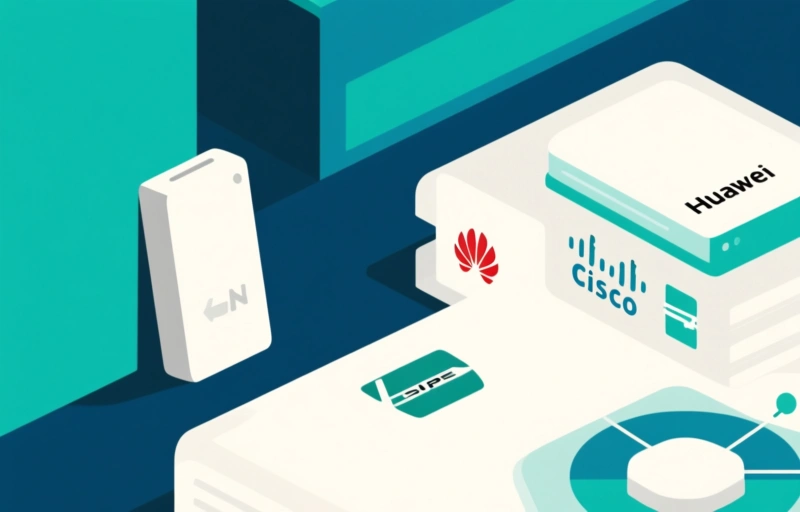
Cisco, HPE, and Huawei top Gartner's LAN rankings with AI-driven features. Learn how these smart networks can boost performance and cut costs for US businesses.
The world of wireless LAN just got a whole lot smarter. Gartner's latest Magic Quadrant for wired and wireless LAN infrastructure is out, and the big three—Cisco, HPE (Aruba), and Huawei—are leading the pack. What's their secret? A little help from artificial intelligence.
### The AI Advantage in Wireless LAN
AI isn't just a buzzword anymore. It's actually doing something useful. In the LAN space, AI is helping networks self-optimize, predict problems before they happen, and even fix minor issues without human intervention. Think of it like a smart thermostat for your office Wi-Fi, but way more sophisticated.
Cisco, for instance, has woven AI into its Catalyst and Meraki lines. Their systems can now automatically adjust channel settings and power levels based on real-time usage patterns. That means fewer dead zones and less dropped calls during your Zoom meetings.
HPE's Aruba portfolio isn't far behind. They've integrated AI into their Edge Services Platform, which can spot anomalies in network traffic and suggest fixes before users even notice a problem. It's like having a network admin who never sleeps and rarely makes mistakes.
Huawei, despite geopolitical headwinds, continues to push AI-driven features in its CloudEngine switches and AirEngine Wi-Fi 6E access points. Their AI-powered radio calibration can boost throughput by up to 30% in dense environments.

### What This Means for Your Business
For IT managers in the United States, this shift is huge. You're no longer just buying hardware. You're investing in a system that learns and adapts. Here's what you should look for when evaluating these top-tier solutions:
- **AI-driven diagnostics**: Can the system predict failures before they happen?
- **Automated tuning**: Does it adjust channels and power levels on the fly?
- **User experience monitoring**: Can it track actual app performance, not just signal strength?
- **Integration with existing tools**: Does it play nice with your current security and management platforms?
> "AI in LAN is like cruise control for your network. It handles the boring stuff so you can focus on the big picture." — Sarah Mitchell
### The Price of Smart Networks
Let's talk dollars and cents. A typical enterprise-grade wireless LAN setup from these vendors can run anywhere from $5,000 to $50,000 or more, depending on the size of your facility. For a mid-sized office of about 10,000 square feet, you're looking at roughly $15,000 to $25,000 for a complete solution including controllers, access points, and licensing.
But here's the kicker: the AI features often come with an additional subscription fee. Cisco's Meraki licensing starts around $200 per access point per year, while HPE Aruba's Central subscription runs about $150 per device annually. Huawei's pricing is typically lower, but support and compliance can be trickier for US-based companies.
### How to Choose the Right Solution
Deciding between Cisco, HPE, and Huawei isn't easy. Each has its strengths:
- **Cisco**: Best for large enterprises that already have Cisco infrastructure. Their ecosystem is deep, but it can be pricey.
- **HPE (Aruba)**: Excellent for organizations that want flexibility and a user-friendly interface. Their AI features are some of the most mature on the market.
- **Huawei**: Great for cost-conscious buyers, but be aware of potential trade restrictions and support challenges in the US.
### The Bottom Line
The days of static LAN configurations are over. AI is here to make your network smarter, faster, and more reliable. Whether you go with Cisco, HPE, or Huawei, you're getting a system that can think for itself. Just make sure you factor in the ongoing costs for AI features and support.
Remember, the best solution is the one that fits your specific needs. Test drive a few options, talk to your peers, and don't be afraid to ask vendors hard questions about their AI capabilities. Your network will thank you.