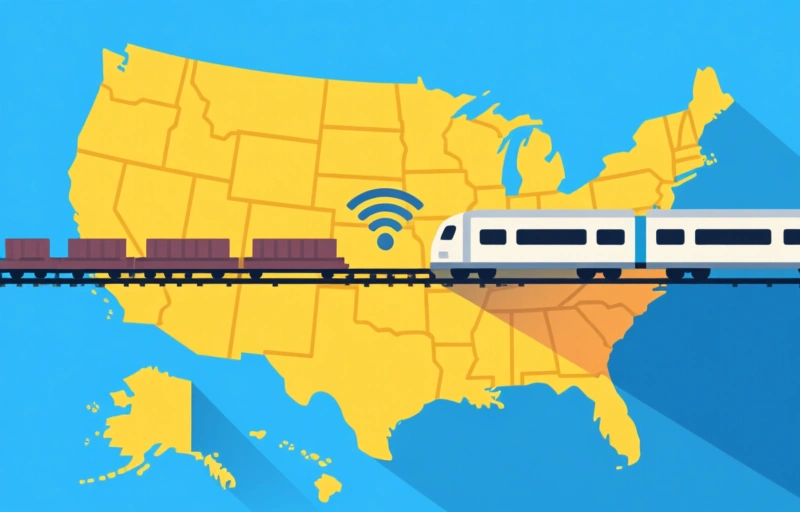
A major railroad merger could transform how goods move across America, creating a seamless national network. Learn what this means for efficiency, costs, and the environment.
You know that feeling when you're stuck in traffic, watching the minutes tick by, and you think, "There has to be a better way"? Well, that's exactly the kind of thinking behind this big railroad merger we're talking about today. It's not just another corporate deal; it's a potential game-changer for how goods move across the country.
### What's the Big Deal About This Merger?
So, here's the scoop. Two major railroad companies are looking to join forces, and the idea is to create a truly national network. Think about it: right now, our rail system is kind of like a patchwork quilt. You've got different companies running different sections, and when freight needs to cross from one region to another, it often gets bogged down.
This merger aims to fix that. By combining operations, the new company could offer a seamless route from coast to coast. That means fewer delays, lower costs, and a more efficient way to move everything from cars to corn. It's like upgrading from a bumpy dirt road to a smooth interstate highway.
### Why Should You Care About Rail Freight?
I know, I know—railroads might not sound exciting. But here's the thing: almost everything you buy probably spent some time on a train. That new couch? Train. The food at your grocery store? Train. Even the parts in your car likely took a rail journey at some point.
When the rail system works well, prices stay lower and products arrive faster. When it doesn't, we all feel it in our wallets. So this merger isn't just about corporate profits; it's about making life a little easier for everyone. Plus, trains are way more environmentally friendly than trucks, so a better rail system means cleaner air too.
### The Challenges Ahead
Of course, it's not all smooth sailing. Mergers like this one face a lot of scrutiny from regulators. They have to make sure the deal doesn't create a monopoly that could drive up prices. There's also the question of jobs—will the merger lead to layoffs? And what about small towns that rely on local rail service?
These are real concerns, and they deserve serious attention. But if the merger is done right, with proper oversight, the benefits could outweigh the risks. It's all about finding that balance.
### What This Means for the Future
Imagine a future where you can ship a package from New York to Los Angeles in three days, all by rail. Or where farmers in the Midwest can get their grain to ports faster and cheaper. That's the kind of potential we're looking at.
This merger could be the first step toward a truly national rail system, one that connects every corner of the country. It won't happen overnight, and there will be bumps along the way. But it's a vision worth pursuing.
- **Efficiency**: Fewer transfers mean faster shipping.
- **Cost savings**: Lower fuel costs and fewer delays.
- **Environmental benefits**: Trains produce less pollution than trucks.
- **Economic growth**: Better infrastructure attracts business.
> "A national rail system isn't just a convenience; it's a necessity for a modern economy."
### The Bottom Line
So, what's the takeaway? This railroad merger is a big deal, but it's not just about the companies involved. It's about creating a system that works for all of us. Whether you're a business owner, a consumer, or just someone who hates traffic, a better rail network is something to get behind.
Sure, there are risks, and we need to keep an eye on how it plays out. But the potential rewards are huge. So let's hope the folks in charge make the right call. After all, a connected country is a stronger country.