Boingo Wireless Takes Over Citi Field's Cellular & WiFi…
Eleanor Vance ·
Listen to this article~3 min
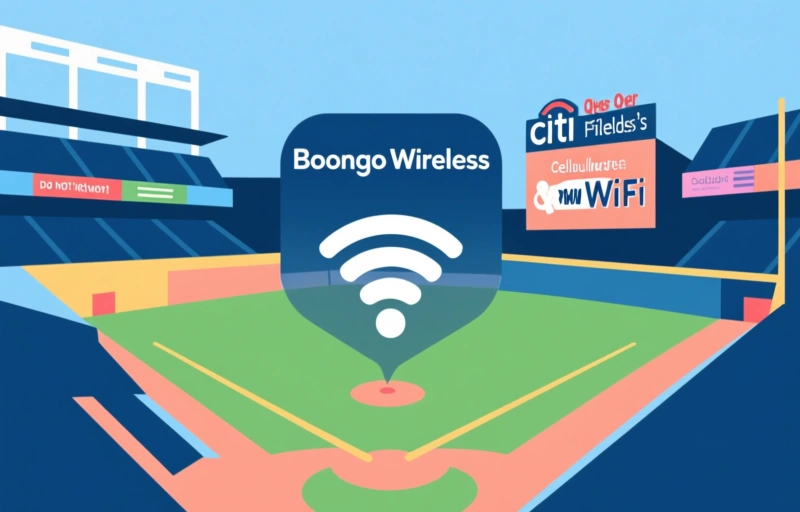
Boingo Wireless has been selected to manage cellular and WiFi networks at Citi Field, home of the New York Mets. This move highlights the growing importance of robust connectivity in major sports venues.
Here's some news that'll catch the eye of any wireless professional. Boingo Wireless has just been named the new manager for cellular and WiFi networks at Citi Field. That's the home of the New York Mets, for those who might not follow baseball closely.
It's a significant move in the world of venue connectivity. Think about it—managing wireless for a massive stadium isn't just about providing a signal. It's about handling tens of thousands of devices all at once, all demanding fast, reliable service.
### What This Deal Means for Stadium Connectivity
This isn't just a simple vendor switch. For Boingo, it's a major foothold in a premier sports venue. They're now responsible for ensuring fans can stream videos, post photos, and stay connected without a hitch. That's a tall order on a sold-out game day.
For the stadium and its fans, it signals a commitment to upgrading the digital experience. In today's world, poor connectivity can actually hurt fan satisfaction. No one wants to miss a crucial play because their live stream buffered.
### The Challenges of Dense Network Environments
Let's talk about the real-world challenges here. A place like Citi Field is what we call an ultra-dense environment. You have:
- Extremely high user density in concentrated areas
- Massive bandwidth demands from video and social media
- Critical need for reliable cellular coverage for safety and operations
- The expectation of seamless roaming between cellular and WiFi networks
Managing all that requires serious expertise. It's not just about installing more access points. It's about intelligent network design, capacity planning, and real-time management.
### Why Boingo Was Likely Chosen
Boingo has built a reputation in this space. They've managed networks at airports, military bases, and other large venues. Their experience with neutral host solutions—where multiple cellular carriers share infrastructure—is particularly valuable for stadiums.
As one industry insider recently noted, "The future of venue connectivity lies in converged networks that serve both cellular and WiFi needs seamlessly." That's exactly the kind of thinking this partnership represents.
### Looking at the Bigger Picture
This deal is part of a larger trend. Sports venues are no longer just places to watch a game. They're becoming connected entertainment hubs. The quality of the wireless network directly impacts everything from fan engagement to concession sales to security operations.
For wireless professionals, watching how Boingo implements and manages this network will be educational. It's a live case study in large-scale public venue connectivity. The lessons learned here could influence how other stadiums and arenas approach their own network upgrades.
What's your take on stadium connectivity challenges? Have you worked on similar large-scale deployments? The conversation around managing these ultra-dense environments is only getting more interesting as our connected world continues to evolve.