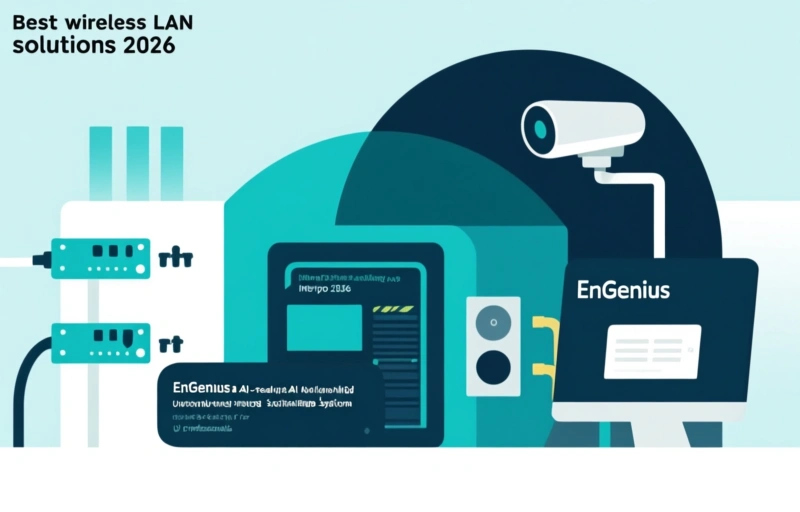
EnGenius unveils an AI-ready unified networking and surveillance platform at Interop Tokyo 2026, combining wireless LAN, switching, and security into one easy-to-manage system for US professionals.
If you've been keeping an eye on how enterprise networking is evolving, you know the buzzwords are flying fast. But every now and then, a company actually delivers something that makes you sit up and pay attention. EnGenius is about to do just that at Interop Tokyo 2026.
They're rolling out an AI-ready unified networking and surveillance platform. And no, it's not just another press release with fancy jargon. This is the kind of tech that could actually simplify your life if you manage networks or security systems.
### What Makes This Platform Different?
Let's be honest: most "unified" platforms are anything but. You end up juggling three different dashboards, patching together hardware from different vendors, and spending your weekends troubleshooting compatibility issues. EnGenius aims to change that.
Their new platform combines wireless LAN, switching, and surveillance into one cohesive system. The AI part? It's not just a label slapped on for marketing. The system learns your network patterns, predicts congestion before it happens, and adjusts settings automatically. Think of it like a smart thermostat for your network, but way more powerful.

### Why This Matters for US Professionals
For IT teams in the United States, the stakes are high. A network outage at a mid-sized office can cost anywhere from $5,000 to $15,000 per hour in lost productivity. And with surveillance footage becoming critical for compliance and safety, having it all under one roof makes sense.
Here's what stood out to me:
- **Simplified management**: One dashboard for Wi-Fi, wired connections, and security cameras. No more switching between tabs.
- **AI-driven optimization**: The system automatically adjusts channel selection and power levels based on real-time usage.
- **Cost savings**: Fewer devices to buy, less time spent on maintenance. That's real money back in your budget.
### A Closer Look at the Surveillance Side
Most people think of surveillance as just cameras recording to a hard drive. But EnGenius is integrating it directly into the network fabric. That means your access points can prioritize video traffic over cat videos (sorry, Bob from accounting).
The AI here analyzes video feeds for unusual activity, like someone loitering near a server room at 2 AM. It doesn't just record; it alerts you. And because it's all on the same network, there's no lag between detection and notification.
> "The best security system is one you don't have to think about until you need it. EnGenius seems to understand that."
### What About Deployment?
Setting up a unified platform sounds great on paper, but we all know the horror stories of "plug and play" that actually required a week of consulting calls. EnGenius claims their new system can be up and running in under an hour for a typical office of 50 people.
That's a bold claim. But if they deliver, it could be a game-changer for small to medium businesses that don't have a dedicated IT staff. You just plug in the access points, connect the cameras, and let the AI do the heavy lifting.
### The Bottom Line
Interop Tokyo 2026 is shaping up to be a big event for networking pros. EnGenius is betting that the future is unified, AI-driven, and actually usable. From what I've seen, they might be onto something.
If you're in the market for a new wireless LAN solution or thinking about upgrading your surveillance system, this is worth a look. It's not every day you see a platform that promises to reduce complexity while adding intelligence. And in 2026, that's exactly what we need.