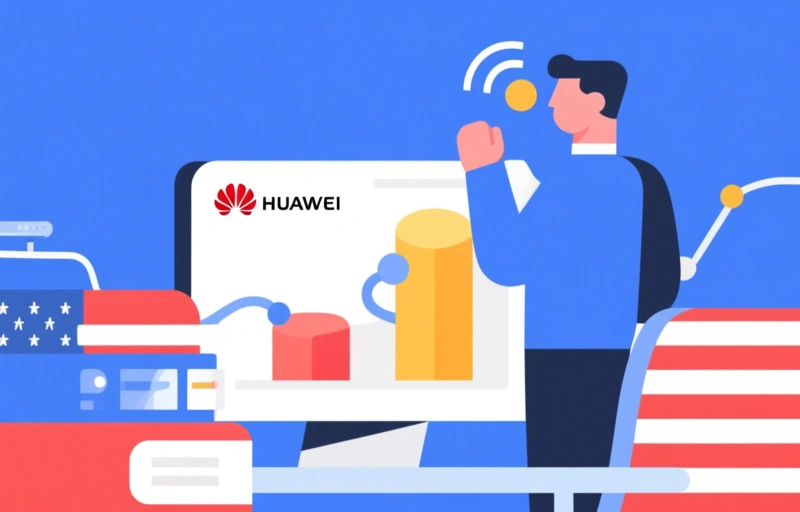
Huawei holds the top spot in enterprise wired and wireless LAN for the fourth year running. Discover what this means for US businesses, key market trends, and how to choose the right network solution for 2026.
Huawei has done it again. For the fourth year running, the tech giant has held onto its lead in the enterprise wired and wireless LAN market. That's a big deal in a space that's constantly shifting.
Think about it. Every office, hospital, and warehouse you walk into relies on a LAN to keep things running. It's the backbone of modern business. And Huawei has been the one building that backbone better than anyone else for four years straight.
### What Does This Mean for US Businesses?
You might be wondering, "Why should I care about a Chinese company leading a global market?" Fair question. Here's the thing: competition drives innovation. When Huawei pushes the envelope, everyone else has to step up their game. That means better products, lower prices, and more options for you.
For US-based IT pros, this trend signals a few things:
- **Reliability matters**: Huawei's consistent performance shows that businesses value stability over flashy features.
- **Speed is king**: With more devices connecting than ever, a robust LAN isn't optional—it's essential.
- **Wireless is winning**: The shift to wireless-first setups is accelerating, and Huawei is leading that charge.

### The Numbers Behind the Lead
According to the latest reports, Huawei's revenue from enterprise LAN solutions has climbed steadily. While exact figures fluctuate, analysts estimate the company holds a commanding share of the market—think over 30% in some segments. That's not just luck; it's strategy.
They've focused on:
- **AI-powered network management**: Tools that predict issues before they happen.
- **Seamless integration**: Hardware that works with existing systems, not against them.
- **Security by design**: Built-in protections that keep data safe without slowing things down.
### How This Affects Your Bottom Line
If you're planning a network upgrade for 2026, you need to pay attention. Here's a quick breakdown of what you should consider:
**Cost**: Expect to spend anywhere from $500 to $5,000 per access point, depending on your needs. That's a range, but it gives you a ballpark.
**Performance**: Look for solutions that handle at least 10 Gbps throughput. Anything less and you'll bottleneck your operations.
**Scalability**: Your network should grow with you. Modular systems are your friend here.
### A Quick Reality Check
Let's be honest. No single vendor is perfect. Huawei faces scrutiny over security concerns, especially in the US market. That doesn't mean their tech is bad—it just means you need to do your due diligence.
> "The best network is the one that works for your specific needs, not the one with the biggest name."
### What's Next for Enterprise LAN?
The future is wireless, but wired isn't dead yet. We're seeing a hybrid approach where both work together. Think of it like a highway system: wired connections are the interstates (fast and reliable), while wireless is the local roads (flexible and accessible).
For 2026, expect to see:
- **Wi-Fi 7 becoming standard**: Blazing fast speeds that make current setups look slow.
- **More cloud-managed networks**: Less hardware to maintain, more control from anywhere.
- **Tighter IoT integration**: Your network will handle everything from smart lights to security cameras without breaking a sweat.
### Final Thoughts
Huawei's lead is impressive, but it's not unassailable. Competitors like Cisco, Aruba, and Juniper are investing heavily in R&D. The real winner here is you—the customer. With so many strong options, you can find a solution that fits your budget and performance needs.
So, before you sign that purchase order, take a step back. Evaluate your current setup. Talk to vendors. Run a pilot. The right choice isn't always the market leader—it's the one that makes your team's life easier every single day.