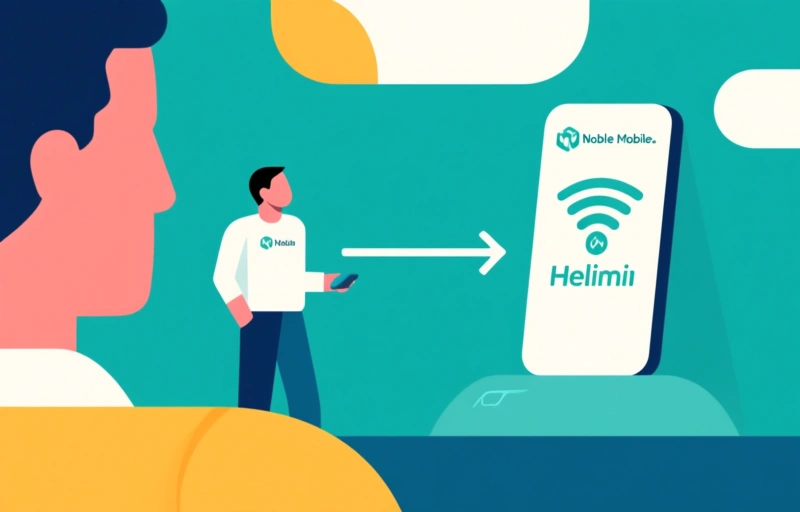
Noble Mobile Buys Helium: Decentralized Wireless Future
Sarah Mitchell ·
Listen to this article~4 min
Andrew Yang's Noble Mobile acquires Helium Mobile, merging decentralized wireless tech with traditional cellular. Learn how this could lower costs and improve coverage for US consumers in 2026.
### A Surprising Merger in the Wireless World
It's not every day you see a political figure jump into the telecom space. But Andrew Yang, the former presidential candidate, just did something pretty bold. His company, Noble Mobile, has acquired Helium Mobile.
This isn't your typical carrier buyout. Helium runs on a decentralized wireless network. Think of it like a community-powered cell tower system. Instead of one giant company owning all the infrastructure, regular people can host hotspots and earn rewards.
So why does this matter for you? Well, it could change how we think about mobile coverage. If you're tired of expensive plans and spotty service, this merger might bring some fresh options to the table.
### What Decentralized Wireless Actually Means
Let's break it down simply. Traditional carriers like Verizon or T-Mobile build massive towers. They cost millions and take years to set up. Helium's approach is different. It uses small, low-power hotspots that anyone can install at home or in their business.
Here's what makes this model interesting:
- **Lower costs** - No need for huge infrastructure investments
- **Faster deployment** - Hotspots can go up in days, not years
- **Community rewards** - Hosts earn crypto tokens for providing coverage
- **Better coverage** - Can fill gaps in rural or dense urban areas
Noble Mobile plans to combine this tech with traditional cellular service. The goal? A hybrid network that's both reliable and affordable.
### What This Means for US Consumers
Right now, the average American spends about $114 per month on a cell phone plan. That's a lot of cash for something we all need. Decentralized networks could drive prices down.
Imagine walking into a coffee shop in downtown Austin and getting better signal because the barista has a hotspot in the back. Or living in a rural area where big carriers won't build towers, but your neighbor's hotspot keeps you connected.
That's the vision. It's not perfect yet, but it's getting closer.
### The Bigger Picture: Competition Heats Up
The wireless industry in the US is dominated by three big players. They control about 95% of the market. That lack of competition keeps prices high and innovation slow.
Noble Mobile's acquisition of Helium is a bet that people want alternatives. If this works, we could see more decentralized networks popping up. It might even push the big carriers to offer better deals.
Of course, there are challenges. Decentralized networks need lots of participants to work well. And most people don't want to manage crypto hotspots. But Yang's team seems confident they can make it user-friendly.
### What's Next for Noble Mobile?
According to the announcement, Noble Mobile plans to integrate Helium's technology into its existing service. They're targeting launch in major US cities first. Think New York, Los Angeles, and Chicago.
They're also promising transparent pricing. No hidden fees, no surprise charges. Just a straightforward plan that uses both traditional and decentralized coverage.
Will it work? Only time will tell. But it's exciting to see someone shaking up an industry that's been stagnant for years.
### Final Thoughts
Wireless connectivity is essential. It's how we work, learn, and stay in touch. The idea that a decentralized network could make it cheaper and more accessible is worth paying attention to.
Andrew Yang's move with Noble Mobile and Helium might seem quirky at first. But it could be the start of something big. If you're looking for the best wireless LAN solutions in 2026, keep an eye on this space.
After all, the future of connectivity might not come from a giant tower. It might come from your neighbor's living room.