Samsung and Qualcomm Test Next-Gen Wi-Fi Power
Sarah Mitchell ·
Listen to this article~3 min
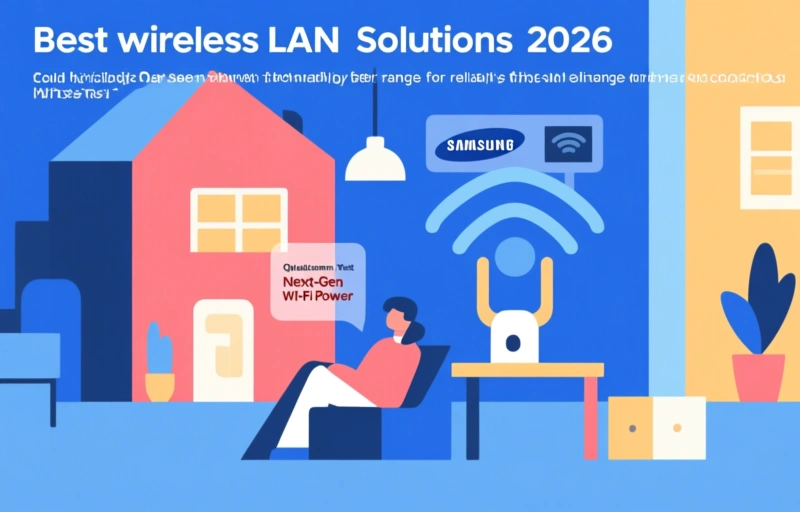
Samsung and Qualcomm have been testing Power Class 1 wireless LAN technology, promising better range and reliability for homes and businesses. This could eliminate dead zones and improve connections by 2026.
Samsung and Qualcomm just pushed the limits of wireless LAN technology, and it's a bigger deal than it sounds. They've been putting Power Class 1 through its paces, which basically means they're testing how far and how reliably Wi-Fi signals can travel without losing strength. For anyone who's ever yelled at a buffering screen, this is good news.
Think of it like this: your current router works hard, but it's like a flashlight with a limited beam. Power Class 1 is like upgrading to a spotlight that can reach the far corners of your house or office. These tests are all about making that spotlight shine brighter and steadier.
### What Power Class 1 Means for Your Connection
Power Class 1 isn't just a fancy term. It's a standard that allows wireless devices to transmit at higher power levels, which directly translates to better range and more stable connections. Samsung and Qualcomm are essentially stress-testing this technology to see if it can handle real-world demands.
The big wins here are for businesses and homes with thick walls, multiple floors, or sprawling layouts. You know that dead zone in your basement or garage? Power Class 1 could wipe it out. Here's what it targets:
- **Extended range:** Signals that can punch through concrete and steel.
- **Improved reliability:** Fewer dropouts when you're moving around with your laptop.
- **Better performance in crowded areas:** Think stadiums, airports, or open-plan offices.
### Why Samsung and Qualcomm Are the Right Duo
Samsung knows devices inside and out, from phones to smart home gadgets. Qualcomm, on the other hand, is the brain behind most Wi-Fi chips you use daily. Together, they're not just testing hardware; they're shaping the future of how we connect.
Their recent tests focused on real-world scenarios, not just lab conditions. They simulated heavy traffic, multiple devices, and physical obstacles. The results? Promising enough to suggest that Power Class 1 could become the new baseline for enterprise wireless LANs by 2026.
### How This Changes Your Everyday Life
Let's be honest: most of us don't care about the technical jargon. We care about whether our Zoom calls freeze or our Netflix streams in 4K. Power Class 1 is designed to make those frustrations vanish.
Imagine walking from your living room to your backyard, and your video call doesn't skip a beat. Or running a small business where every employee's connection stays rock-solid, even during peak hours. That's the promise here.
### The Bottom Line on Wireless LAN Solutions
For professionals in the United States, this test signals a shift. By 2026, expect routers and access points with Power Class 1 to hit the market, offering coverage that's measured in feet rather than inches. Prices will likely start around $200 for consumer models and climb for enterprise gear, but the upgrade will be worth it for anyone tired of weak signals.
Samsung and Qualcomm aren't just showing off. They're paving the way for a wireless future that actually works as advertised. And honestly, that's something we can all get behind.