This Railroad Merger Could Create a Truly National US System
Sarah Mitchell ·
Listen to this article~4 min
A major railroad merger could create a truly connected national network, speeding up freight delivery, cutting costs, and reducing highway congestion. Here's what it means for the US economy.
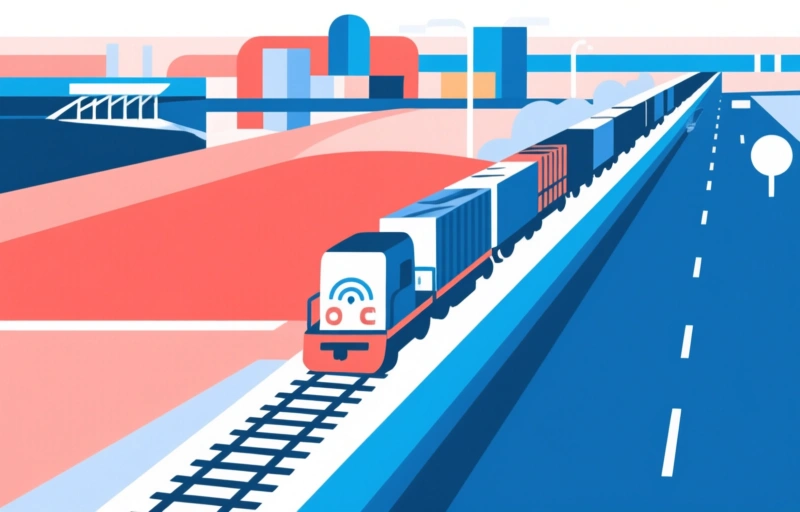
Let's talk about something that might sound a bit dry on the surface but could seriously change how goods move across the country. I'm talking about a major railroad merger that has the potential to create something America hasn't really had in a long time: a truly connected national rail network.
You might be thinking, "Railroads? Isn't that kind of old news?" But trust me, this is a big deal for anyone who cares about supply chains, the economy, or even just the price of stuff at the store. When trains run efficiently, everything from your new sofa to the food on your table gets where it needs to go cheaper and faster.
### What This Merger Actually Means
So here's the gist. Two major railroads are looking to combine their operations. The idea is to eliminate those annoying handoffs that happen when cargo has to switch from one company's tracks to another's. Right now, that's a huge bottleneck. A train might sit for hours or even days just waiting to be transferred, which costs time and money.
By merging, the new company would control a single, seamless network stretching from coast to coast. We're talking about a system that could move freight from Los Angeles to New York without a single ownership change. That's the dream, anyway.
### Why This Matters for You and Me
You might not ride the rails, but you definitely benefit from them. Here's why this merger could be a win for everyone:
- **Faster delivery times:** Less waiting means products arrive sooner. That's good for businesses and for you when you order something online.
- **Lower costs:** Efficient rail is cheaper than trucking over long distances. Those savings can trickle down to consumers.
- **Less road congestion:** One train can carry the load of hundreds of trucks. That means fewer big rigs clogging up our highways and less wear and tear on roads.
- **Environmental benefits:** Trains are way more fuel-efficient per ton-mile than trucks. Moving more freight by rail means a smaller carbon footprint.
> "A truly national rail system isn't just about moving boxes. It's about building a backbone for the American economy that works for everyone."
### The Challenges Ahead
Now, I'm not going to pretend this is all sunshine and rainbows. Mergers of this size always face hurdles. Regulators will be watching closely to make sure it doesn't create a monopoly that drives up prices for shippers. There's also the question of job security for workers and how local communities might be affected by increased train traffic.
But if done right, this could be one of those rare moves that actually makes the system better for everyone involved. It's a big bet on the future of freight in America.
### What's Next?
The proposal is still in the early stages, so don't expect trains to start running on a new network tomorrow. But this is definitely a story worth following. If you're in logistics, manufacturing, or just someone who likes to see the country work smarter, keep your eyes on this one.
So what do you think? Could a merged rail network really give America the national system it needs? Or is this just another corporate merger that sounds better on paper than in practice? I'd love to hear your take.