UBCO Breakthrough Rewrites Wireless Future
Sarah Mitchell ·
Listen to this article~3 min
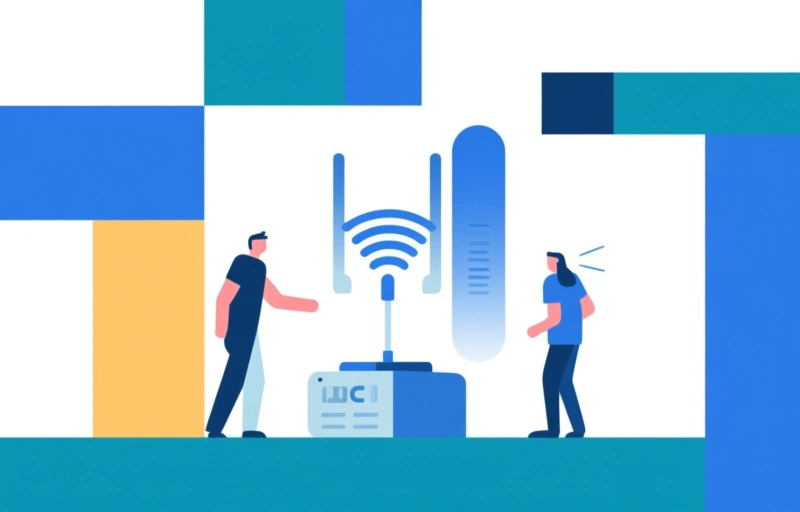
UBCO's breakthrough in wireless transmitter design promises faster speeds, better range, and lower costs. This could revolutionize LAN solutions for professionals by 2026.
Wireless technology is about to get a serious upgrade. Researchers at the University of British Columbia have unveiled a breakthrough that could fundamentally reshape how we connect to the internet. This isn't just another incremental improvement. It's a leap that promises faster speeds, better reliability, and lower costs.
### What Did UBCO Actually Do?
The team developed a new type of wireless transmitter that uses a completely different approach to handling data. Traditional systems rely on complex hardware to manage signals. UBCO's innovation uses a simpler, more efficient design. Think of it as swapping out a clunky old engine for a sleek, powerful one. The result? Data travels further, faster, and with less interference.
This matters because current networks are hitting their limits. You've probably noticed buffering during peak hours or dead zones in your home. This new tech could make those frustrations a thing of the past. It's like giving your Wi-Fi a superpower.
### Why Should You Care?
If you're a professional relying on wireless LAN solutions, this is huge. Here's what it could mean for you:
- **Speed:** Imagine downloading a 4K movie in seconds, not minutes.
- **Range:** A single access point covering your entire office or warehouse.
- **Reliability:** No more dropped connections during critical video calls.
- **Cost:** Less hardware needed, which saves money.
This isn't just for big corporations. Small businesses and home users will benefit too. The technology is designed to be scalable and affordable.
### How Does It Work? (In Plain English)
Let's keep it simple. Current wireless networks use a lot of power to push signals through walls and obstacles. UBCO's design uses a smarter encoding method. It's like speaking more clearly instead of shouting louder. This means the signal retains its strength over longer distances without needing extra boosters.
The researchers also tackled interference. In crowded environments like apartment buildings or conference centers, signals collide and cause slowdowns. The new system dynamically adjusts to avoid these collisions. Think of it as a traffic cop for data, directing each packet to its destination smoothly.
> "This is like moving from a dirt road to a superhighway for data," says one of the lead researchers. "We're not just making it faster. We're making it smarter."
### What's Next?
Don't expect to see this in your router tomorrow. The team is still in the testing phase. But early results are promising. They've demonstrated speeds that outperform current standards by a wide margin. Commercial partnerships are likely within the next few years.
For now, keep an eye on UBCO's progress. This could be the foundation for the next generation of wireless standards, like Wi-Fi 7 or beyond. If you're planning your network infrastructure for 2026 and beyond, this is a development worth watching.
### The Bottom Line
Wireless technology is evolving fast. UBCO's breakthrough shows that the future is brighter than we thought. Whether you're a tech enthusiast or a business owner, this innovation promises to make connectivity faster, cheaper, and more reliable. Stay tuned. The best is yet to come.