USB Wired Hotspots: A Clever Networking Solution Explained
Sarah Mitchell ·
Listen to this article~4 min
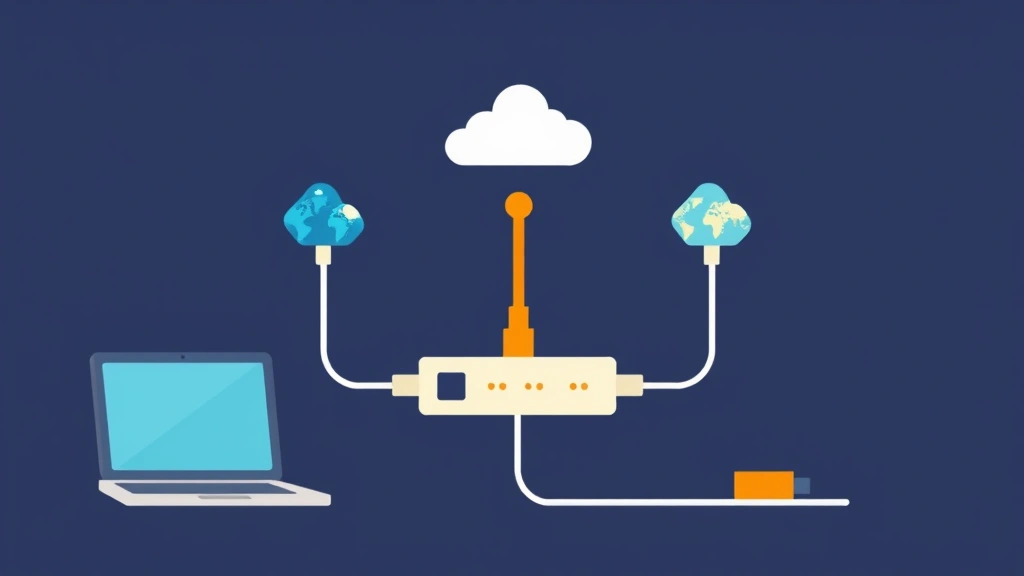
USB wired hotspots offer a stable, secure alternative to congested Wi-Fi. We explore when this niche tool is the perfect solution for networking professionals.
Alright, let's talk about something that sounds like a contradiction in terms: a USB wired hotspot. I know, I know—when you hear "hotspot," you immediately think wireless. But sometimes the most interesting tech solutions come from bending the rules a little. This isn't about replacing your Wi-Fi; it's about giving you another tool in your networking toolkit.
So what exactly is this thing? In simple terms, it's a device that creates a localized internet connection you access via a physical USB cable, not over the air. Think of it less like a traditional Wi-Fi router and more like a personal, direct-line internet tap. It's a niche tool, but for certain situations, it's downright brilliant.
### When Would You Actually Use This?
You might be scratching your head wondering about the use case. That's fair. We're surrounded by wireless everything. But wired connections have their perks—mainly rock-solid stability and security. A USB wired hotspot shines in environments where radio frequency interference is a nightmare, or where you need a guaranteed, unshared connection for a single critical device.
Imagine setting up a temporary point-of-sale system at a crowded outdoor market. Every vendor and their cousin has a Wi-Fi router. The airwaves are jammed. Plugging a tablet directly into a USB hotspot could be the difference between processing sales and staring at a spinning wheel of doom. It's about eliminating variables.
### The Pros and Cons of Going Wired
Let's break down the good and the not-so-good. On the plus side:
- **Zero Interference:** No competing with the neighbor's network or the microwave oven.
- **Enhanced Security:** Since the signal isn't broadcasting, it's inherently harder for someone to snoop on.
- **Predictable Performance:** You get a dedicated pipe. No bandwidth sharing means consistent speeds.
But it's not all sunshine. The obvious drawback is the lack of mobility. You're tethered. It's also a single-device solution typically, so it's not for sharing with your whole team. You have to weigh the trade-off: ultimate stability versus convenience.
### How It Fits Into Modern Networking
This is where it gets interesting for us pros. In a world obsessed with going wireless, a wired hotspot is a fantastic reminder that sometimes the old ways are best. It's a tool for specific scenarios—troubleshooting, secure temporary setups, or bypassing congested networks. It's not an everyday solution for most people, but knowing it exists makes you a more versatile problem-solver.
As one network engineer I chatted with put it, "It's my secret weapon for trade shows. I can guarantee my demo laptop has a clean connection while everyone else is fighting for Wi-Fi scraps."
That's the real value. It's about having options. While we're busy deploying expansive wireless LANs and mesh networks, a simple, reliable wired point of access can be the perfect fix for a very specific problem. It reminds us that good network design isn't about using one technology everywhere; it's about using the right technology in the right place.
So next time you're facing a tricky connectivity puzzle, don't forget the humble cable. A USB wired hotspot might just be the elegant, simple fix you've been overlooking. It's not about going backward; it's about being smart and using every tool available to build a robust, reliable network.