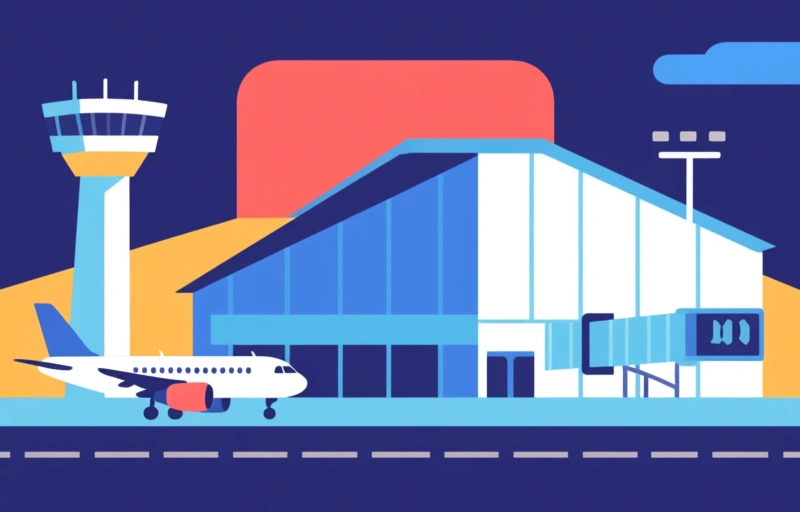
Discover why wireless infrastructure design is critical for modern airports in 2026. Learn how smart networks boost efficiency, safety, and passenger experience.
Ever walked through a massive airport, phone in hand, desperately waiting for that boarding pass to load? You're not alone. Modern airports are bustling cities in miniature, and their wireless networks have to keep up with thousands of passengers, employees, and critical systems all at once.
Let's talk about why wireless infrastructure design is the unsung hero of smooth airport operations. It's not just about checking Instagram while you wait. It's about safety, efficiency, and making sure your flight actually leaves on time.
### The Invisible Backbone
Wireless networks in airports handle way more than you'd think. They manage baggage tracking systems, security communications, gate information displays, and even the sensors that monitor everything from temperature to crowd density. When this network fails, chaos follows.
Think about it: a single dropped connection can delay a whole boarding process. That's why designers now focus on redundancy and coverage that accounts for every square foot, from the tarmac to the food court. It's not just about signal strength; it's about reliability under extreme load.
### What Makes Airport WiFi Different
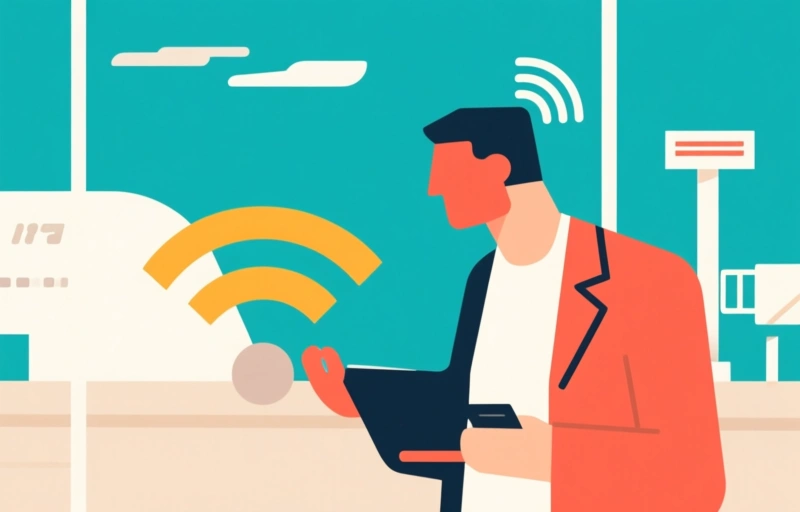
Airport networks face unique challenges. The sheer number of devices per person is staggering. You've got your phone, maybe a laptop, a tablet for the kids, and that smartwatch buzzing with notifications. Multiply that by thousands, and you see the problem.
- **High density**: Hundreds of people in one gate area, all trying to stream video
- **Interference**: Concrete walls, metal beams, and moving aircraft all mess with signals
- **Security**: Every connection must be protected from potential threats
- **Mobility**: People move fast, and the network has to hand off seamlessly
The best solutions in 2026 use mesh networks and AI-driven optimization to adapt in real time. They predict where crowds will form and allocate bandwidth accordingly. Pretty clever stuff.
### The Cost of Getting It Wrong
A poorly designed network doesn't just annoy passengers. It costs money. Airlines lose millions when delays pile up because baggage systems go down or check-in kiosks freeze. Airports themselves face reputational damage when travelers vent their frustrations online.
I've seen airports where the WiFi is so bad that people literally give up and use their cellular data. That's a missed opportunity for the airport to offer premium services, wayfinding apps, or even just keep travelers happy during a layover.
> "A modern airport without a robust wireless infrastructure is like a plane without wings. It might look good on the ground, but it's not going anywhere."
### Designing for the Future
So what does a smart airport network look like in 2026? It starts with a thorough site survey. Engineers map out every corner, accounting for physical obstacles and usage patterns. They plan for peak times, like holiday rushes, not just average days.
Key design principles include:
1. **Redundancy everywhere**: If one access point fails, another takes over instantly
2. **Scalability**: The network can grow as the airport expands or traffic increases
3. **Low latency**: Critical for real-time applications like security scanning
4. **Power over Ethernet**: Simplifies installation and reduces cabling costs
Wireless infrastructure is no longer a nice-to-have. It's a core utility, just like electricity or plumbing. Airports that invest in it wisely will see smoother operations, happier passengers, and a healthier bottom line.
### Final Thoughts
Next time you're at the airport and your connection holds steady while you download a movie, take a moment to appreciate the invisible network working behind the scenes. It's a marvel of modern engineering, and it's only getting better.
The best part? This technology isn't just for airports. Any large venue, from stadiums to convention centers, can benefit from the same thoughtful design. So whether you're a network pro or just a curious traveler, understanding this stuff makes you appreciate the magic of staying connected.